
Need to boost productivity and use HR more strategically?
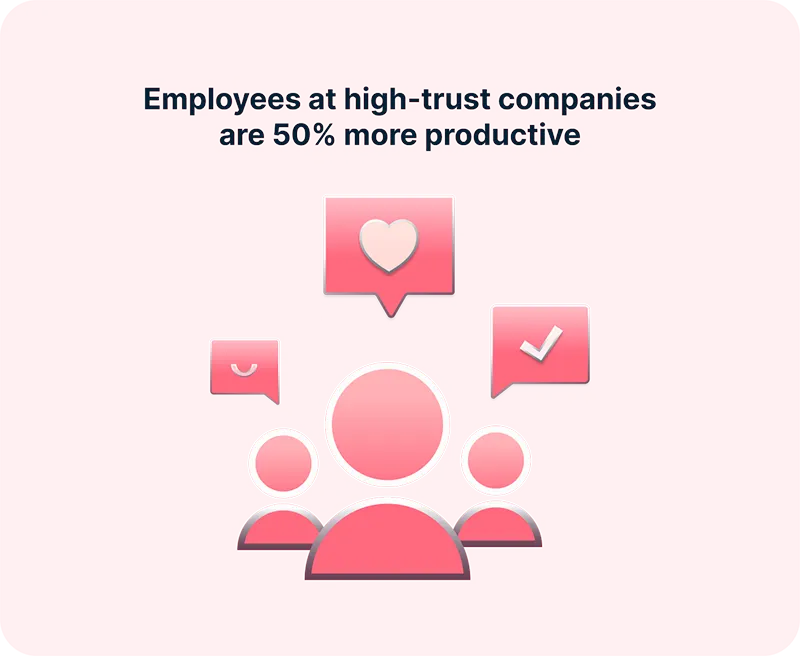
As researchers including Harvard Business Review have pointed out many times, the key to a happier, more productive workforce is company-employee trust. Employees who trust the company and feel trusted back are 74% less stressed, 106% more likely to feel energised at work and up to 50% more productive in their jobs.
Many factors impact trust, of course. But one of the simplest things any company can do to boost trust is to automate employee-facing systems.
Leave management is a powerful way to build trust quickly. A transparent and easy-to-use leave system makes work and management easier for everyone.
Here’s all about the importance of leave management for SA companies with a deskless workforce…
Leave management is tracking, approving and monitoring employees’ time off, including everything from annual leave to sick days and family responsibility leave, as outlined in the Basic Conditions of Employment Act (BCEA) in South Africa.
For deskless workforces, where employees don’t have access to traditional office HR systems, the complexity of leave management increases. Manual systems often fail to provide transparency and accuracy, leading to scheduling conflicts, payroll discrepancies and employee frustration.
When you’re able to give deskless workers a transparent, easily accessible (for them) system for requesting and managing leave, it benefits them and builds trust. It’s a vital step, showing that you understand the importance of leave management, which produces significant business benefits:
Poor leave tracking leads to understaffed shifts, missed deadlines, and increased overtime costs. For businesses operating with tight schedules and shift-based workforces, last-minute absences can disrupt workflows and place extra pressure on available staff.
Proper leave management ensures smooth shift planning and prevents gaps that impact service delivery.
South African labour laws require businesses to track and grant leave in accordance with the BCEA. Failure to comply can lead to penalties, disputes with employees and legal challenges, emphasising the importance of leave management. Many businesses struggle with compliance due to poor record-keeping, which can easily be resolved with a structured leave management system that automates tracking and reporting.
Employees who are unable to take leave when they need it are more likely to burn out, feel undervalued, and seek employment elsewhere. Providing a clear, accessible leave system allows employees to plan their time off effectively, reducing stress and improving job satisfaction. Companies that prioritise employee well-being tend to experience lower turnover and higher employee loyalty – see it for yourself with our employee turnover savings calculator.
Unmanaged leave leads to unnecessary costs, including overtime payments, hiring temporary staff and lost productivity. In industries with tight margins, even a small inefficiency in leave management can result in significant financial losses, highlighting the importance of leave management that’s easily accessible, fair and transparent.
By implementing a structured leave system, businesses can reduce excessive overtime spending and optimise workforce allocation.
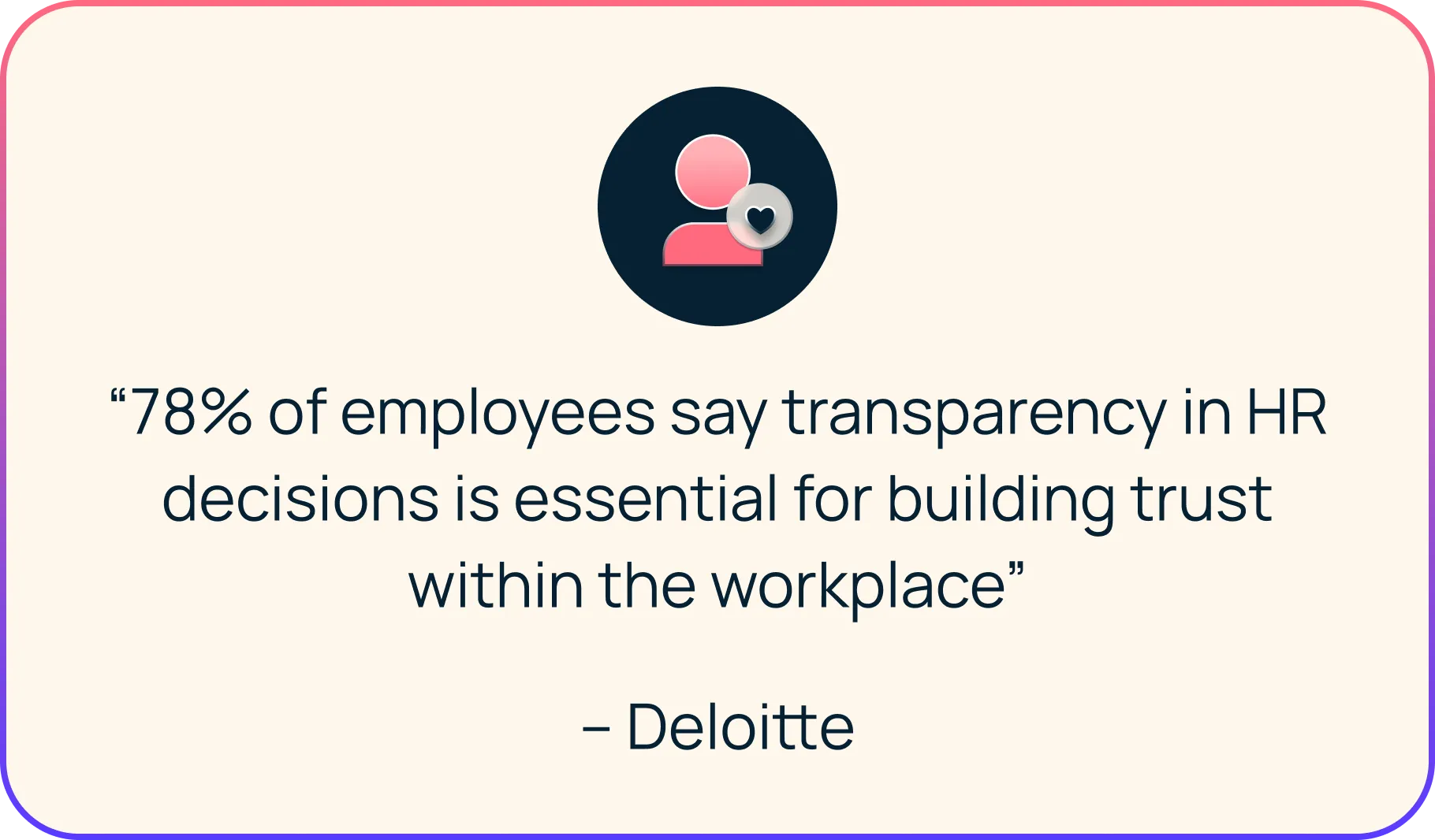
When employees have a clear view of their leave balances and entitlements, it reduces confusion and last-minute leave requests. Many workers in deskless industries struggle with uncertainty about their leave rights, which can lead to unnecessary disputes. A well-managed leave system ensures that employees and managers are aligned on leave policies, leading to a smoother process for everyone.
Proper scheduling ensures that shifts are always adequately staffed, allowing businesses to maintain productivity without unnecessary disruptions. In industries where teams operate in high-pressure environments, such as logistics and manufacturing, gaps caused by unplanned leave can create significant operational slowdowns. Having a leave system in place allows businesses to plan ahead, reallocate tasks, and ensure minimal downtime.
Employees value fairness, and a transparent leave policy fosters a culture of trust. When workers feel that their leave requests are managed consistently and without bias, they are more likely to remain engaged and loyal to their employer. On the other hand, inconsistent leave approvals or denied requests due to poor planning can lead to frustration and dissatisfaction, increasing the risk of turnover.
A well-managed leave system provides data-driven insights into leave patterns, absenteeism trends, and potential staffing issues. HR teams can use this data to anticipate high-absence periods, adjust policies, and ensure better workforce planning. For example, if data shows a recurring trend of sick leave spikes in winter, companies can prepare by adjusting schedules or implementing wellness programs.
Many traditional HR systems are built for office workers, making them ineffective for deskless employees who don’t have access to computers or HR portals. A digital leave management system designed for deskless workforces provides a mobile-first solution, allowing employees to apply for leave directly from their smartphones. This eliminates paper-based processes and unnecessary admin delays, making the process faster and more accessible for employees on the go.
At the same time, it helps the business: Manually tracking leave requests is time-consuming and prone to errors. A digital system can help streamline approvals, update leave balances in real time, and prevent scheduling conflicts, boosting efficiency while keeping a record of everything for compliance and business intelligence.
Looking to digitise your leave management?
Check out Jem’s all-new digital leave management service.


Book a demo and walk through every module live, or see it on WhatsApp, on a real phone, in minutes.