
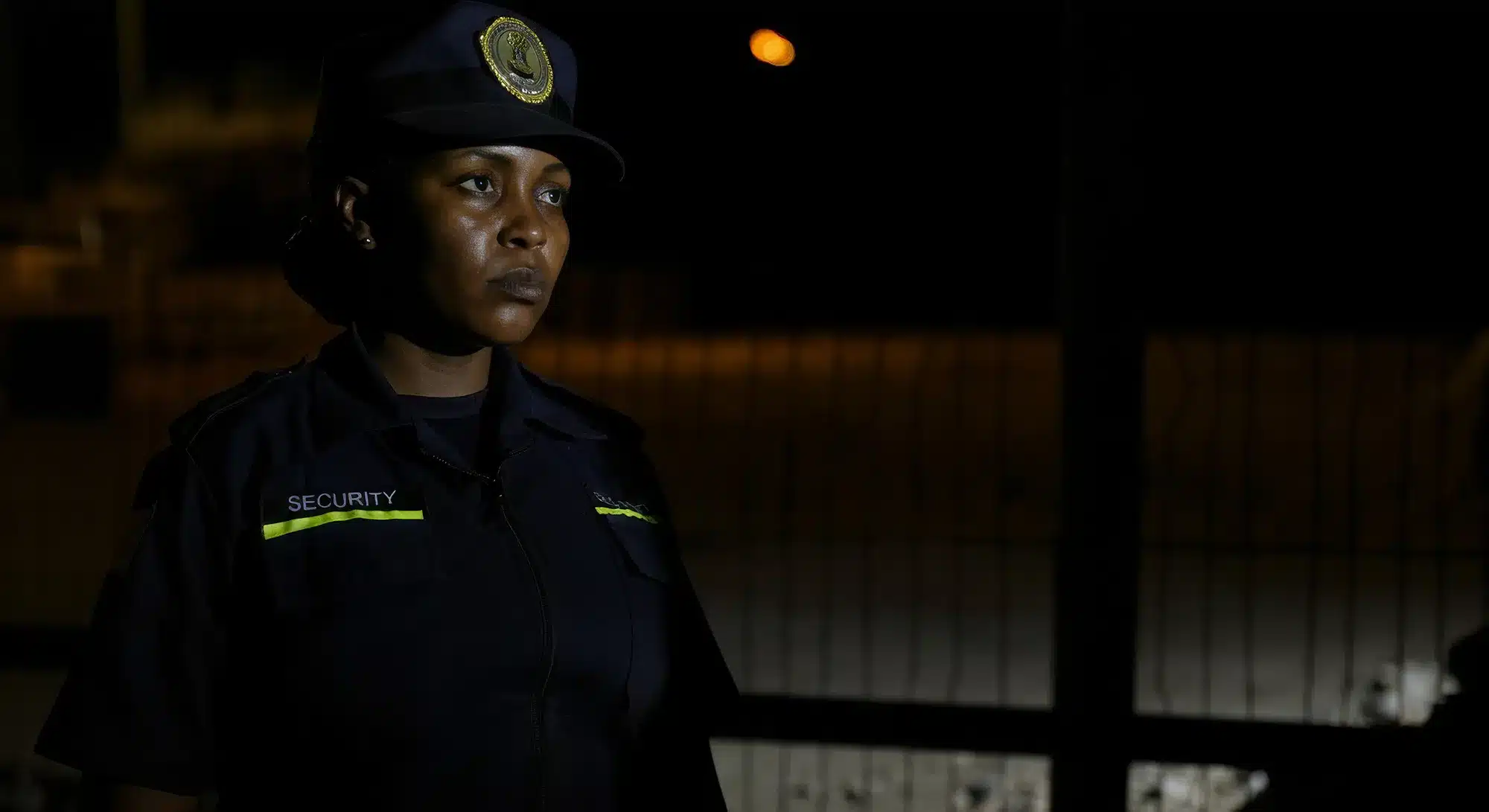
It’s 11am on a baking hot day. Thando is five hours into her 12-hour shift guarding a construction site. Her period started unexpectedly that morning. There’s no clean, private toilet nearby. Just a shared portable cubicle with no water or disposal bin.
Thando has one sanitary pad left in her bag. She feels the familiar cramp in her lower back and the creeping anxiety of not knowing if she’ll make it through the day without an accident.
For millions of frontline women in South Africa, this is not an exception. It’s the monthly reality of working without menstrual dignity.
Pads and tampons are just part of the story here. The other, more complicated side of menstrual dignity is about safety and privacy; having the basic infrastructure to manage your period without shame or risk.
When this is denied, the impact ripples far beyond the individual woman. It affects mental health, job performance, household income and, ultimately, gender equity in the workplace.
Period poverty is the inability to access safe, hygienic menstrual products, facilities and education. In South Africa, up to 22 million people menstruate every month. Of those, an estimated 4 million experience period poverty.
Most public discussions focus on schoolgirls missing classes, but for women like Thando – security guards, cleaners, factory and farm staff – the consequences cut deeper and last longer.
When a woman spends her shift in deep physical discomfort and worried about staining her uniform, her mind isn’t on her work. The mental energy required to navigate these concerns while performing physically demanding or customer-facing jobs is exhausting and unsustainable.
Working through severe cramps, headaches or nausea that can accompany heavy flow days means pushing through genuine pain while trying to maintain professional composure.
For women whose jobs require standing for hours, manual labour or working in extreme temperatures, menstrual symptoms aren’t an inconvenience. They can be genuinely dangerous.
When the symptoms becomes overwhelming, or supplies run out, women face an impossible choice: continue working in discomfort and potential humiliation, or take unpaid leave they can’t afford.
“A missed shift isn’t just a day’s wage gone,” says Caroline van der Merwe, Jem COO. “It’s a ripple effect. Less money for food. Strained relationships with managers. The penalties for being a woman that are not discussed often enough but experienced all too regularly.”
When a low-income worker earning R6,000-R10,000 a month loses even one day’s pay, it can mean choosing between groceries and school fees. But the price paid extends beyond the immediate financial hit.
Repeated absences, even when medically justified, create patterns that managers notice. Performance reviews suffer. Promotion opportunities slip away. What begins as a simple biological reality transforms into a career barrier that millions of women push against in silence.
Research from low- and middle-income countries shows that menstrual stigma corrodes women’s sense of belonging in their workplaces. Stereotypes around periods being dirty or shameful are prevalent. There is an unspoken sense, often perpetuated by men, that women should “manage it quietly”.
This creates a culture where seeking help or trying to create awareness feels like admitting weakness. Or failure.
Consider the frontline woman who feels her flow becoming heavier while on patrol or working a factory line. Will a colleague notice? Will her male supervisor or manager understand if she needs to step away? The shame attached to something as natural as menstruation means that even requesting basic accommodations can feel like professional suicide.
When part of your mental capacity is always devoted to managing period-related anxiety, focus becomes fractured and it’s hard to stay confident. Studies show women report making more mistakes during difficult menstrual cycles, not because of physical symptoms, but because of the psychological burden of hiding them. In safety-critical roles, this distraction can lead to workplace injuries that could have been prevented with proper support systems.
The isolation deepens when women realise they’re navigating these challenges alone. Without safe spaces to discuss menstrual health or seek advice from colleagues, many suffer in silence. This isolation reinforces the stigma, creating a vicious cycle where women’s natural biological processes become sources of professional shame.
For men reading this, imagine performing hard physical labor for 8-12 hours while experiencing flu-like symptoms, knowing that admitting your discomfort could be seen as weakness or a signal that you’re not reliable. For women in office jobs, picture managing your period without access to clean bathrooms, running water or disposal facilities, while maintaining the same level of productivity and professionalism expected every other day.
Menstrual dignity is fundamentally about recognising women’s humanity in the workplace. When we deny women the basic infrastructure to manage their periods with privacy and safety, we’re telling them their full participation in the workforce is conditional on their ability to hide a fundamental aspect of their biology.
Community organisations like the MENstration Foundation, co-founded by Siv Ngesi, have made tremendous strides in tackling period poverty.
They’ve distributed millions of pads, installed dispensers in public facilities and driven awareness campaigns that challenge menstrual stigma. Their work has been groundbreaking in shifting public conversation and providing immediate relief to thousands of girls and women.
But NGOs can’t shoulder this burden alone. The scale of the problem requires systemic change and employers are uniquely positioned to drive that transformation. Unlike charitable interventions that rely on external funding and volunteers, workplace-based solutions create sustainable, reliable support systems that reach women where they spend most of their waking hours.
When employers take responsibility for menstrual dignity, they’re tackling a fundamental equity problem that keeps talented women from reaching their full potential in the workforce.
Working towards a period-positive workplace is strategic investment in human capital and workplace equity. It’s a no brainer, and the most effective approaches address both immediate needs and cultural barriers simultaneously.
Installing dispensers stocked with both pads and tampons in bathrooms and changing areas removes the anxiety of running out mid-shift. Free access eliminates the cruel irony of women having to choose between transport money and period products. Companies that partner with local suppliers or NGOs often find that bulk purchasing makes this intervention surprisingly affordable. A few hundred rands per month per site almost always costs less than replacing a single worker who leaves due to period-related workplace stress.
When women know supplies are available, emergency leave requests drop. The mental space previously devoted to period logistics gets redirected toward actual work. Most importantly, providing these products sends a clear message: your needs are recognised and supported. You don’t have less of a chance at success based on your biology.
This requires thinking beyond basic compliance. Private, lockable toilets for women require financial outlay, but should be prerequisites. Running water, soap and disposal bins transform what can be a humiliating experience into a manageable part of the workday.
For remote or temporary sites, portable facilities can be retrofitted with small water tanks and waste disposal systems.
Tackle the cultural barriers that make periods a workplace taboo. Sensitivity training for supervisors, especially male managers, helps them understand that menstrual health requests are reasonable accommodations for half the workforce. When managers can respond to period-related needs with professionalism, it removes the shame that keeps women silent.
This cultural shift ripples outward. Women start supporting each other more openly. Younger employees see that their periods won’t derail their careers. The workplace becomes more honest and ultimately more productive.
Collaborating with groups like the MENstration Foundation, who provides access to evidence-based programs and bulk product purchasing. These partnerships also tie menstrual dignity into broader CSR and gender equity strategies, creating accountability structures that ensure programs continue beyond initial enthusiasm.
For companies looking to integrate these solutions into their existing HR systems, platforms like Jem’s WhatsApp-based HR automation offer innovative ways to reach deskless workers with essential benefits and support services. By leveraging widely-used communication channels, employers can ensure that menstrual health resources reach every employee, regardless of their access to traditional digital platforms.
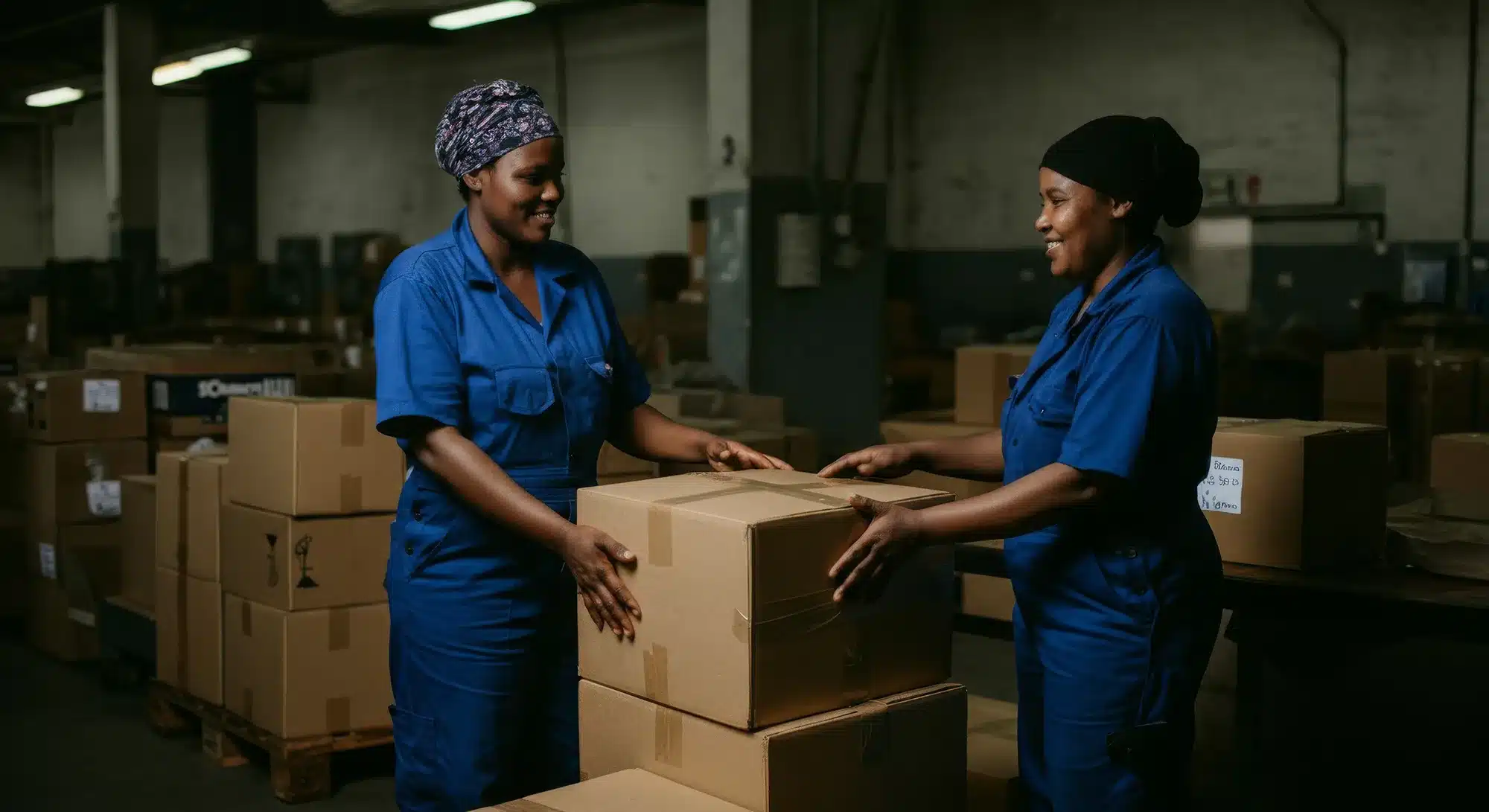
The women who keep our cities clean, our sites secure and our factories operational deserve better. They’ve been managing impossible conditions with remarkable resilience, but this shouldn’t be a job requirement when the solution is straightforward workplace infrastructure and an intentional cultural shift.
When employers invest in menstrual dignity, they unlock potential that’s been constrained by biology-based discrimination. Turnover drops as women no longer feel forced to choose between their health and their paychecks.
Productivity increases when workers aren’t distracted by anxiety and discomfort. Team dynamics improve when half the workforce stops feeling like their natural biology is a professional liability.
Most importantly, these changes signal a fundamental shift in how workplaces value women.
As Caroline van der Merwe says, “Dignity at work starts with seeing the whole person. For women, that means recognising menstruation as a human reality employers have a duty to accommodate.”
Picture Thando starting that same sweltering morning, but in a workplace transformed by menstrual dignity. When her period arrives unexpectedly, she walks to a clean bathroom equipped with supplies and proper disposal facilities. She knows her supervisor understands that these brief breaks are part of maintaining her cleanliness, health and effectiveness on the job.
Instead of spending her shift in mounting anxiety, Thando focuses on her security duties with full attention. When a colleague quietly mentions she’s struggling with cramps, Thando can direct her to the supply dispenser without shame or secrecy.
At the end of her 12-hour shift, Thando isn’t exhausted from managing a health condition in impossible circumstances. She’s tired from doing her job well. Her dignity is intact. She heads home knowing that if her period continues tomorrow, she’ll have the support she needs to work effectively without compromising her health or hiding her humanity.
This isn’t a pipe dream. It’s the reality that every female employee deserves, and that forward-thinking employers are already creating. The question isn’t whether workplaces can afford to support menstrual dignity. It’s whether they can afford to continue ignoring the hidden costs of period poverty that undermine half their workforce every single month.


Book a demo and walk through every module live, or see it on WhatsApp, on a real phone, in minutes.