
How Jem’s new FinWell products provide financial benefits for Africa’s deskless workforce
An unexpected expense before payday and an overwhelming debt problem may both create financial pressure, but they call for different kinds of help. That distinction is shaping how Jem’s Technical Lead, Kaeleigh Stroud (who also heads up Jem’s FinWell product suite) thinks about building financial well-being support for the deskless workforce.
“What interests me is that those problems don't all need the same solution,” she says. “Sometimes what someone needs is money. Sometimes they need food, airtime, electricity, information, professional support or a way to build some financial resilience.”
For Jem, FinWell is its approach to employee financial well-being: a broader toolkit intended to help people manage immediate pressures and build resilience over time. Earned wage access (EWA), which gives employees access to wages they have already earned before payday, is one part of that picture.
That broader support is already taking shape through Jem’s current offerings. Employees can access vouchers for groceries, electricity, airtime and data, smartphones and data through Jem Mobile, all available through lower-than-market prices. They can also build their knowledge through financial education, add payroll-deducted savings, understand their credit position with free credit-score checks and find confidential counselling and practical advice through Jem’s Employee Assistance Programme. Each is accessible through WhatsApp, giving employees practical options as their needs change.

Kaeleigh sees a clear place for EWA when cash is what someone needs. Her concern is with treating every financial problem as if it has the same answer. “Not every financial problem is actually solved by giving someone more cash,” she says.
The wider opportunity includes access to essentials, information that helps someone understand their financial position and opportunities to save when there is room in the budget. It also extends to situations where a transaction cannot address the underlying problem.
“If someone's debt has reached a point where they can't see a way out of the cycle, connecting them with proper debt management support can be much more valuable than simply giving them another short-term financial product,” she explains.
That perspective brings financial well-being into a wider conversation about support. Stress, trauma or a difficult personal situation may call for a counsellor rather than another financial service. At Jem, our ambition is to recognise the difference and connect people with appropriate help.

A broader offering also brings a responsibility to make each service understandable. For Kaeleigh, usefulness begins with a real need, a clear cost and a straightforward experience.
“It has to solve a real problem, and the value has to be obvious,” she says. “I don't think someone should need to understand financial jargon or read pages of terms before they understand why something is useful to them.”
The questions she asks when considering a product are deliberately practical: will it give someone access to something they need? Is the cost clear? Is it easy to use? And will it leave them in a better position?
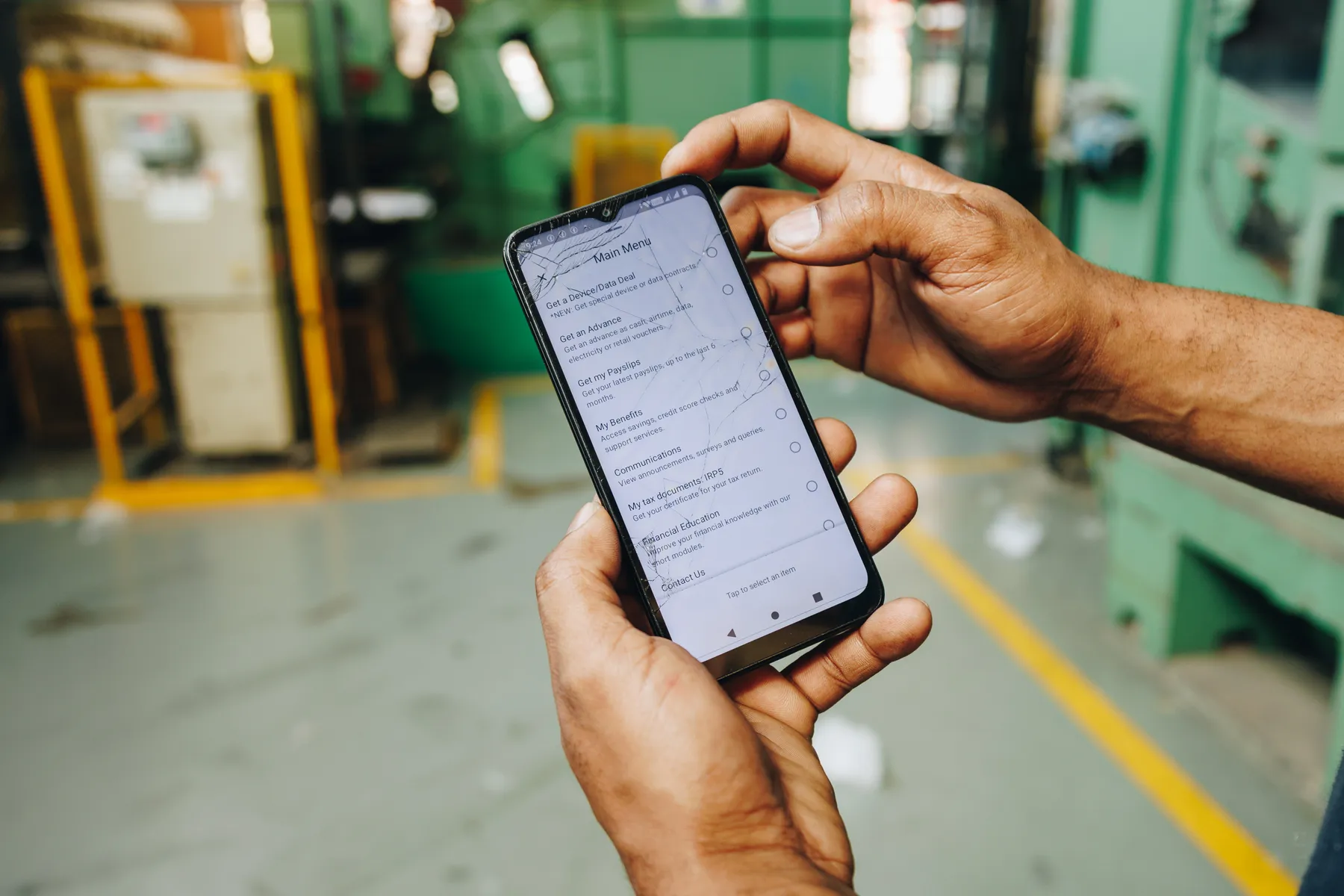
To explain how different interventions might fit together, Kaeleigh describes a hypothetical month, not an individual customer’s experience.
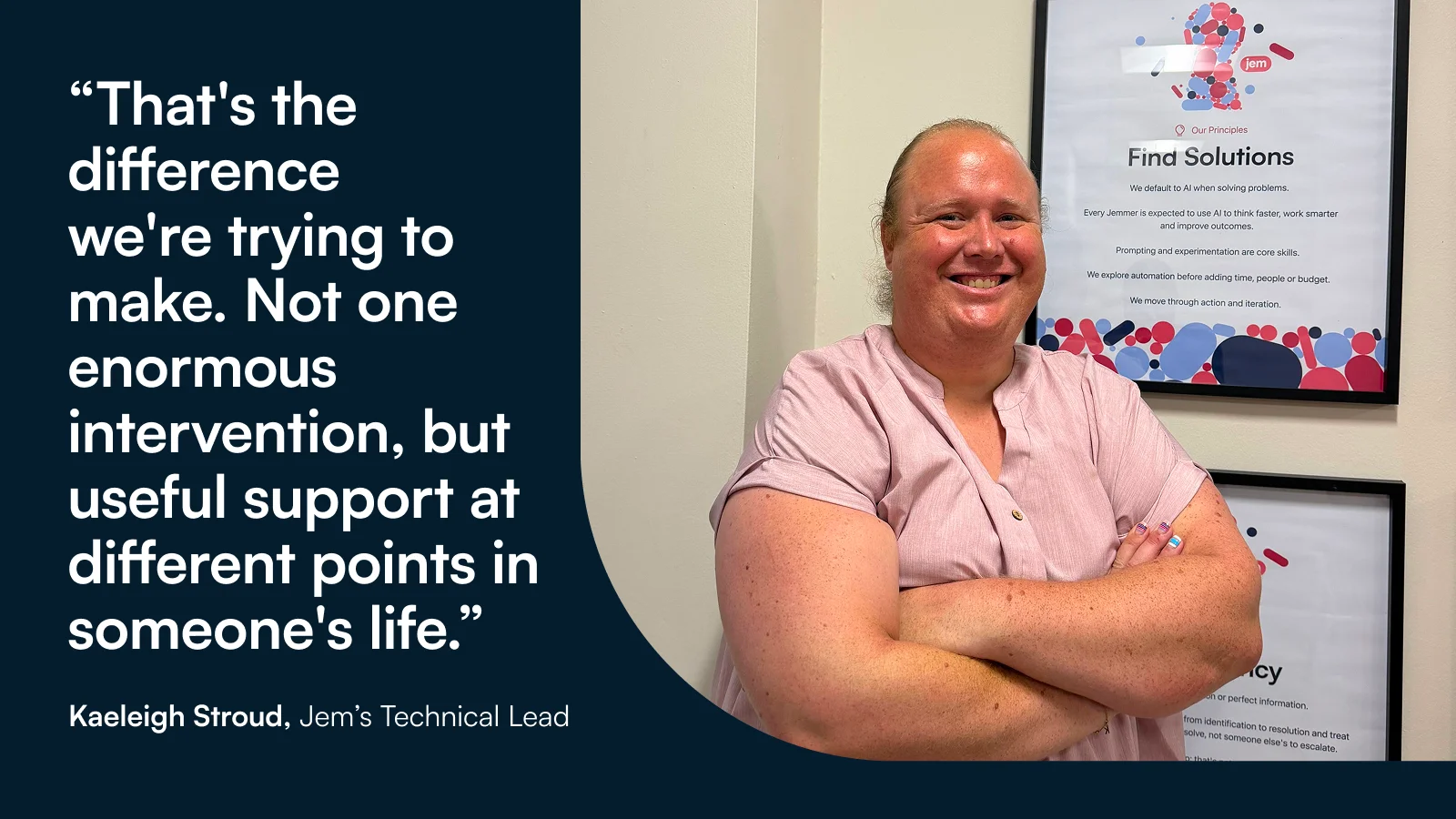
An unexpected expense arrives early, say, a phone gets stolen or there’s a home break-in, creating a need for emergency cash. Later, attention turns to groceries, electricity or data. Someone with a little room in their budget might begin saving; someone facing overwhelming debt may need professional support. “That's the difference we're trying to make. Not one enormous intervention, but useful support at different points in someone's life,” she says.
We’re excited to be launching a number of new products and partnerships over the next month that will address these various needs. The broader direction is to build around these changing needs, rather than the assumption that a person’s financial life begins and ends on payday.
For Kaeleigh, the purpose is personal and practical: better support for the people who keep businesses running. “It isn't about putting as many products as possible in front of someone. It's about understanding what would make the biggest difference to that person at that point in their life.”


Book a demo and walk through every module live, or see it on WhatsApp, on a real phone, in minutes.